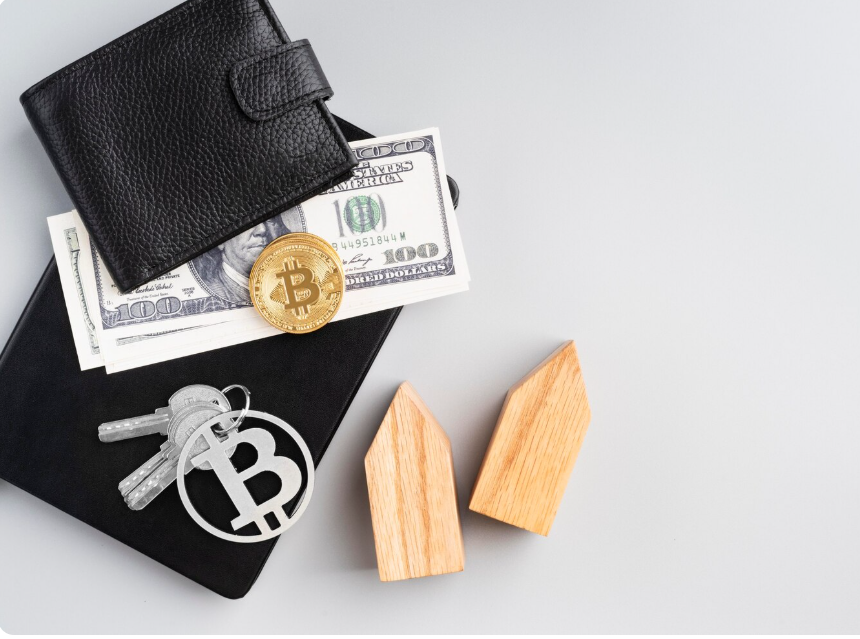
The Foundation of Digital Asset Ownership
Managing digital assets requires systems that give users direct control and clear visibility. Ownership in digital environments is not defined by physical possession but by secure access and authorization. This shift places responsibility on individuals to manage their assets carefully. Wallets form the foundation of this ownership model by enabling users to store, access, and manage digital value in a controlled and reliable way.
Understanding Secure Access and Control
Security is a primary concern in digital finance. Unauthorized access can result in irreversible loss, making protection essential. Secure tools rely on cryptographic principles to ensure that only the rightful owner can authorize transactions. Wallets provide this protection by safeguarding access credentials and enabling users to interact with digital networks confidently. Proper use encourages personal responsibility while reducing reliance on third parties.
Supporting Everyday Digital Transactions
Digital assets are increasingly used for payments, transfers, and participation in online platforms. To support these activities, users need tools that are practical and easy to use. Secure management solutions allow individuals to send and receive value quickly while maintaining control. Wallets simplify these interactions by providing clear interfaces that make digital transactions accessible even to non technical users.
Enhancing User Independence
One of the key benefits of digital finance is independence from centralized intermediaries. Users can manage assets directly without relying on institutions to approve or process every action. This independence requires tools that place control firmly in the hands of the user. Wallets support this autonomy by enabling self custody, allowing individuals to make decisions without external permission or delay.
Protecting Privacy and Personal Data
Privacy plays an important role in digital environments. Users often want to manage assets without exposing unnecessary personal information. Secure management tools help limit data sharing and reduce unwanted tracking. Wallets contribute to privacy by allowing users to interact with digital systems while maintaining control over what information is shared and with whom.
Adapting to Different User Needs
Not all users interact with digital assets in the same way. Some prioritize convenience, while others focus on maximum security. Management solutions have evolved to support different preferences, offering varying levels of protection and accessibility. Wallets accommodate these needs by providing options suited for daily use, long term storage, or advanced security requirements, helping users choose what fits their goals.
Supporting a Growing Digital Ecosystem
As digital ecosystems expand, users engage with more platforms and services. Secure asset management tools act as a gateway to these environments, enabling participation across applications. Wallets support this growth by allowing users to connect with marketplaces, platforms, and services while maintaining consistent control over their assets.
Reducing Dependence on Centralized Risk
Centralized storage solutions can introduce risks such as system failures or restricted access. Decentralized asset management reduces these risks by distributing control to individual users. Wallets play a role in this shift by enabling self managed security, which helps reduce exposure to large scale disruptions and single points of failure.
Education and Responsible Usage
Effective asset management depends not only on tools but also on user understanding. Learning how to secure access credentials and recognize risks is essential. Wallets encourage responsible usage by making users more aware of security practices and personal accountability. Education strengthens confidence and helps users avoid common mistakes.
Enabling Long Term Confidence
Confidence in digital finance grows when users feel secure and in control. Reliable management tools provide peace of mind and encourage broader participation. Wallets support this confidence by combining security, accessibility, and user empowerment. As digital assets become more integrated into everyday life, these tools will remain central to secure and confident participation.
A Core Element of Digital Security
The success of digital finance depends on trust, security, and usability. Managing assets safely is not optional but essential. Wallets represent a core element of this security framework, helping users protect value while engaging freely in digital systems. Their continued development supports a future where digital asset management is both secure and user driven.